

Level 3 Award in the
Safe Administration of Lifesaving Medication
The Qualsafe Level 3 Award in the Safe Administration of Lifesaving Medication (RQF) is a regulated and nationally
recognised qualification specifically designed for prehospital care providers who have a specific responsibility at work
to safely administer and monitor the effects of medication, following completion of FREC4 qualification.
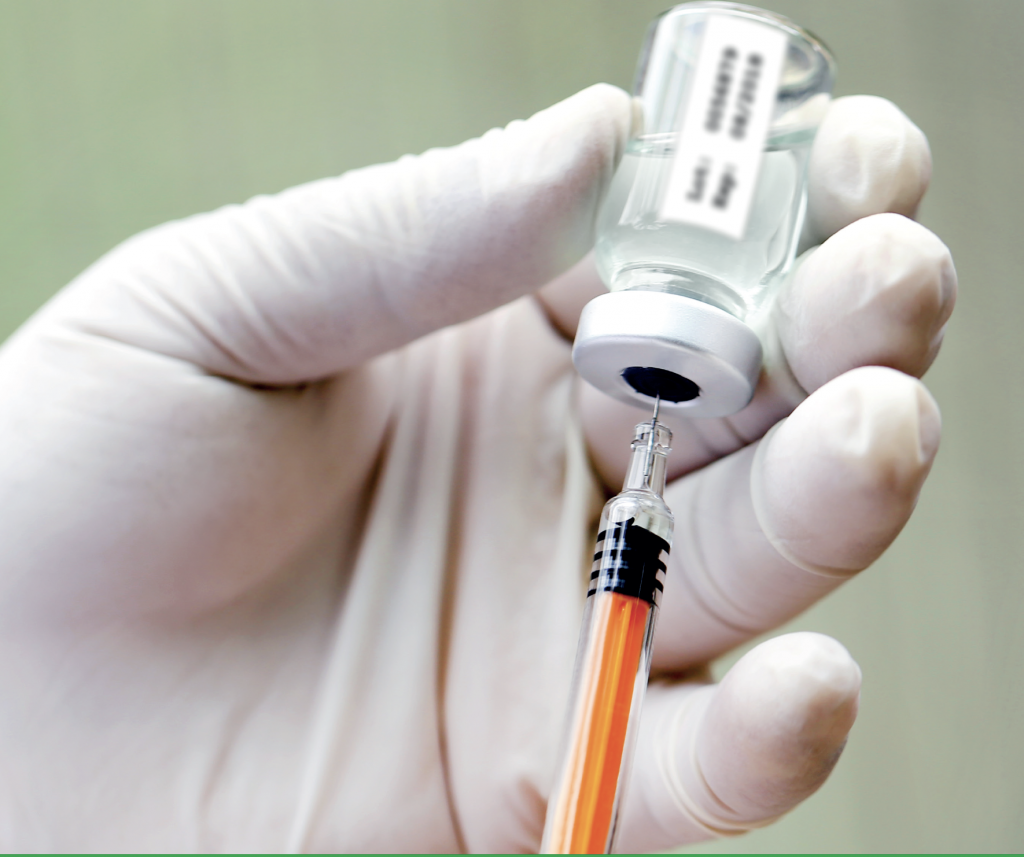
Candidates will learn about the common types of lifesaving medication and their potential side effects. They will also learn how to determine a patient’s condition and how to assess, monitor and review the effects of medication once it has been administered. Successful candidates will leave the course equipped with all of the knowledge, skills and competencies needed to administer lifesaving medication safely and effectively in a prehospital environment
Course Contents
- Assessing, monitoring and reviewing the effects of lifesaving medication
- Legislation, guidelines, policies and protocols
- Administering lifesaving medication
- Common types of lifesaving medication, including:
Their effects and potential side effects
Physiological measurements before an after administering lifesaving medication
Different drug routes for the administration of lifesaving medication - Determining a patient’s condition to help distinguish the correct lifesaving medication
- Demonstrating the safe and effective administration of lifesaving medication in a prehospital environment
- Assessing, monitoring and reviewing the effects of lifesaving medication
Course Structure
This qualification contains 1 mandatory unit with a Total Qualification Time (TQT) of 30 hours. Delegates must complete all assessments/skills tests in the unit successfully within the registration period to achieve the qualification. The maximum period to achieve this qualification, including any referrals is 6 weeks. TQT is the total number of hours required for a Learner to achieve this qualification. It has two elements:
- Guided Learning Hours (GLH) is the time a Learner is being taught and assessed under the immediate guidance of a Trainer/Assessor, which for this qualification is 14 GLH, and
- The number of hours a Learner will reasonably be likely to spend in preparation and study, including assessment, as directed by, but not under the immediate guidance or supervision of a Trainer, which for this qualification is 16 hours
Course Prerequisites
Learners must:
• Be at least 18 years old on the first day of the training and
• Be employed by a CQC registered organisation (or overseas equivalent) and
• Have successfully completed the QA Level 4 Certificate in First Response Emergency Care (QCF or RQF) or a QA recognised equivalent.
There are no other formal entry requirements but to benefit from the learning we advise that Learners have a minimum of Level 3 in literacy and numeracy or equivalent.
The QA Level 3 Award in the Safe Administration of Lifesaving Medication (RQF) qualification may be used towards other qualifications at the same and higher levels, plus aid career progression in a relevant profession.
Requalification requirements
Following achievement of this qualification the Learner must maintain a current continuing professional development (CPD) portfolio related to the learning outcomes of the qualification that is sufficient to demonstrate an ability to provide safe and current practice.

HIGHLY EXPERIENCED TEAM
We can supply Doctors, Registered Paramedics, Registered Nurses, Ambulance Technicians, and First Aiders
FULLY EQUIPPED VEHICLES
Equipped to NHS standards and available to both emergency and non-emergency patients

AVAILABLE 24 X 7 X 365
Our services are available 24 hours a day, 365 days a year